Organization
NABU InternationalNatural Project
ItalyStarted
01/2025Status
In progress
Background
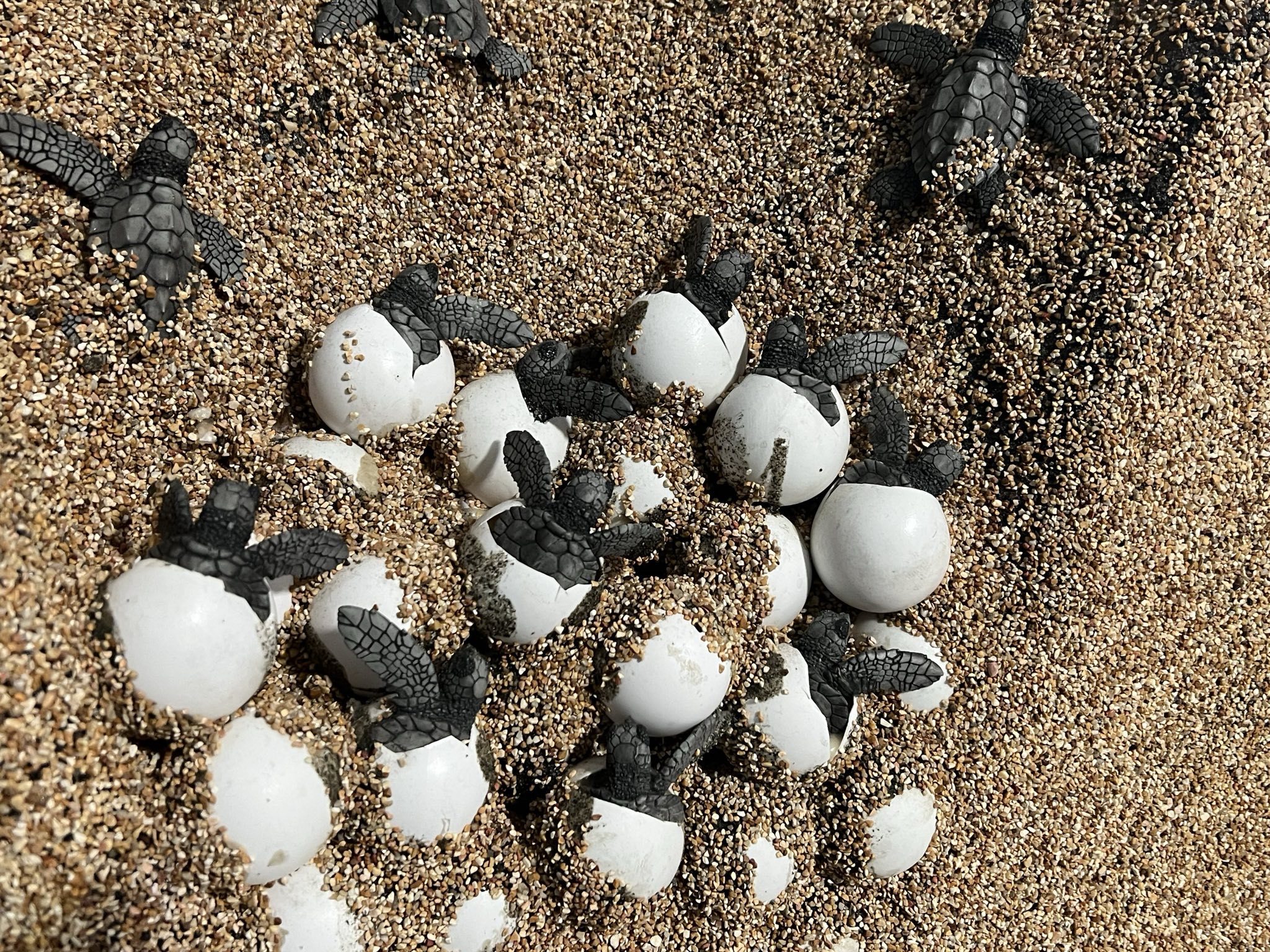
The project contributes to the international protection of the loggerhead sea turtle (Caretta caretta), a species classified as Vulnerable on the IUCN Red List. With an estimated natural survival rate of only one in every 1,000 hatchlings, the species faces additional pressures from tourism, coastal development, pollution, by‑catch and vessel collisions, all of which significantly limit population recovery. The 2025 nesting season marked a record year in Italy, with more than 700 nests identified, an increase of 17% compared to 2024. Approximately 180 of these nests were recorded along the Calabrian coastline, the target area of the project. However, only about 150 km of Calabria’s 800 km coastline are regularly monitored by volunteers, leaving large stretches unprotected. To address this gap, the project piloted an innovative nest‑detection approach using specially trained canine units.
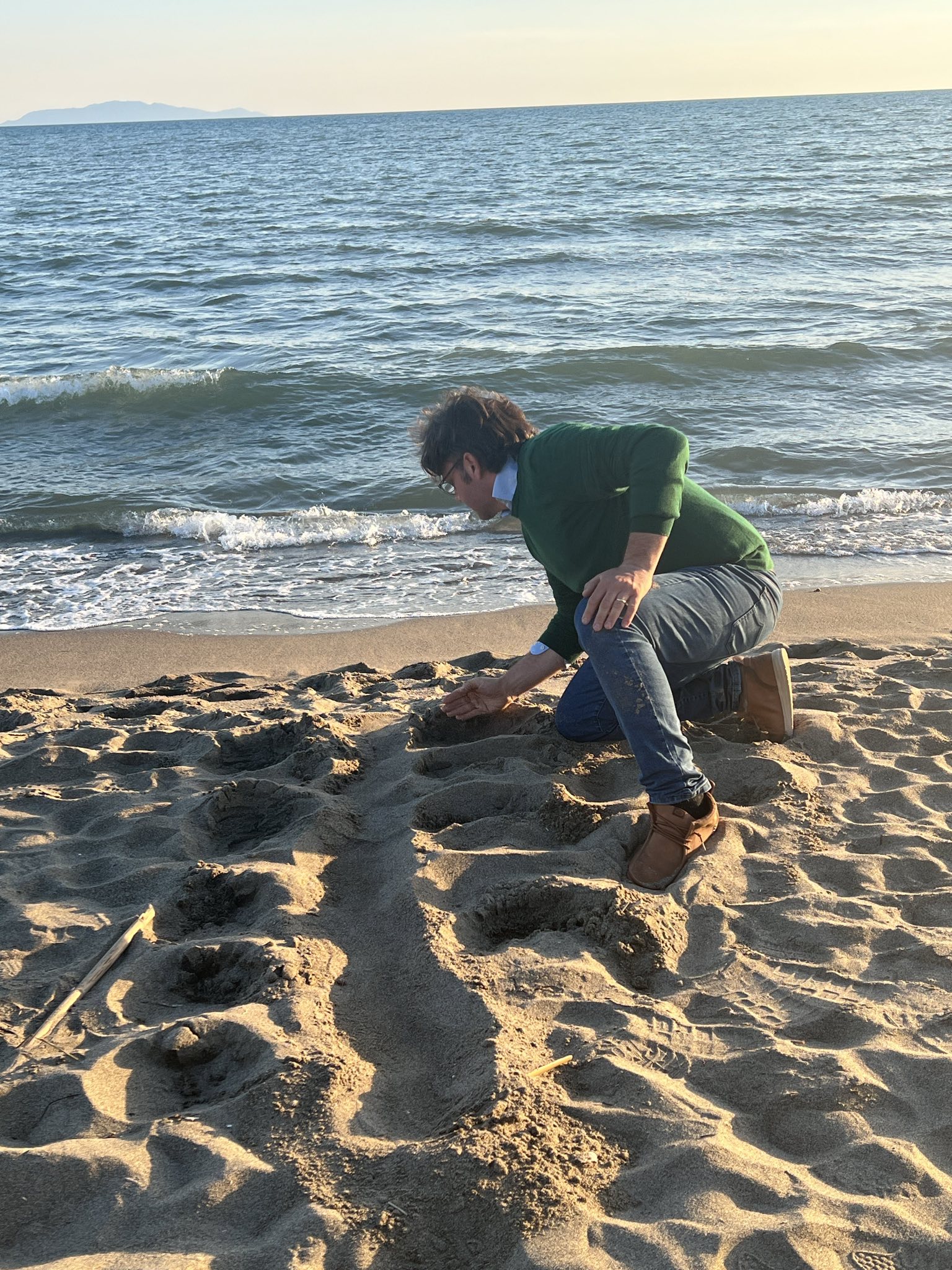
Between June and August 2025, the project conducted 50 monitoring transects covering 242 km of coastline, with each session surveying between 2 and 2.5 km. Seven previously unknown sea turtle nests were identified, and no false indications were recorded. In parallel, nine public awareness events reached approximately 400 participants, supported by regional media coverage.
Pilot Implementation of Canine Nest Detection
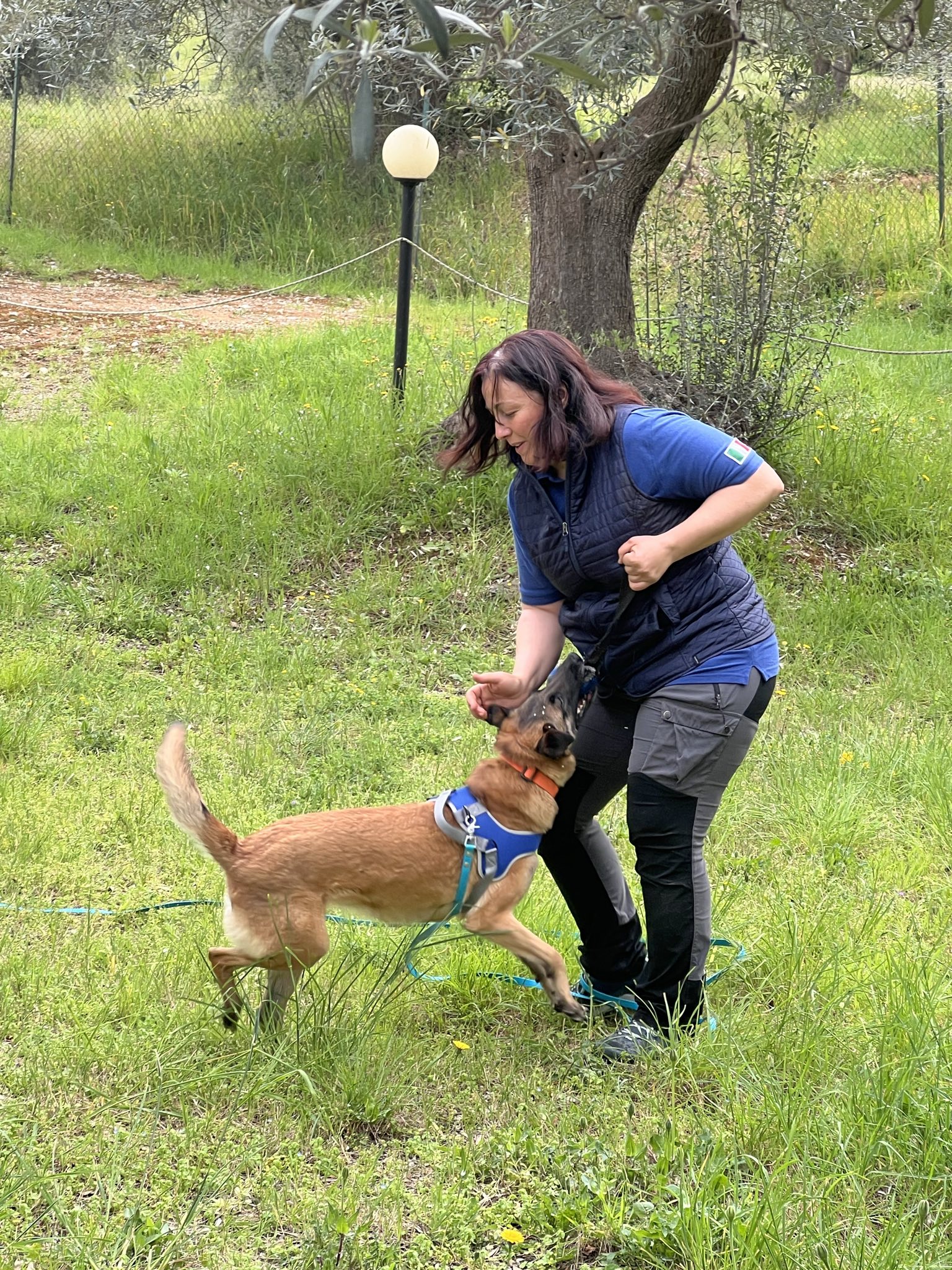
In cooperation with the Italian National Canine Association (ENCI), Legambiente implemented a structured pilot program using a trained Springer Spaniel named BrumBrum to detect buried sea turtle nests. The training progressed from neutral scent detection to egg‑based simulations and final validation on confirmed but unmarked nests. A strong focus was placed on preventing disturbance to other protected species, ensuring high accuracy without false alerts, and operating under strict animal‑welfare guidelines, especially during summer heat that at times exceeded 44°C.
Between 15 June and 15 August 2025, fifty early‑morning transects were completed between 5:00 and 6:00 AM. GPS monitoring documented real coverage beyond simple linear measurements, and the work concentrated on beaches not already monitored by volunteers, including Natura 2000 protected areas. Seven new nests were identified during this period, and no fatigue‑ or stress‑related false indications occurred. The pilot confirms that trained canine units can effectively complement volunteer monitoring, especially in situations where visual nesting traces are absent.
Public Awareness and Responsible Beach Behaviour
Alongside the operational fieldwork, BrumBrum also served as an ambassador for environmental awareness. Nine evening educational events were organised along the Tyrrhenian coast of Calabria—across northern, central and southern sections—and engaged around 400 participants, including families, tourists and scout groups. These sessions focused on responsible dog management on beaches, protection of sea turtle nests and hatchlings, and the conservation of dune vegetation and coastal ecosystems. Regional TV and print media further amplified the project’s outreach.
Overall Impact
The 2025 pilot phase demonstrates the measurable added value of canine‑assisted nest detection in expanding the monitored coastline and identifying nests in previously undocumented areas. The project strengthened conservation efforts in under‑monitored zones, improved nest‑detection efficiency, increased public awareness and community involvement, and maintained full budget compliance. With climate‑driven shifts influencing Mediterranean nesting patterns, this innovative approach offers a scalable and adaptive conservation tool.
Outlook for 2026
In 2026, the project aims to significantly expand its awareness activities, with up to 40 events planned. Additional priorities include improving hatchling protection during the terrestrial phase, providing rapid‑response nest verification, and continuing comparative evaluations with additional canine units in other regions. The positive results from 2025 confirm both the conservation impact and strong public engagement achieved so far, positioning the project for sustainable growth in the coming years.